
How Tamarind is Harvested and Processed

How Tamarind is Harvested and Processed
Have you ever wondered how the thick, tangy tamarind concentrate in your pantry makes its journey from the tree to your kitchen? The process of cultivating, harvesting, and processing tamarind is a labor-intensive craft that blends ancient agricultural traditions with modern quality control.
In this behind-the-scenes look, we explore the lifecycle of tamarind and how Esskay transforms the raw fruit into our premium concentrate.
The Tamarind Tree
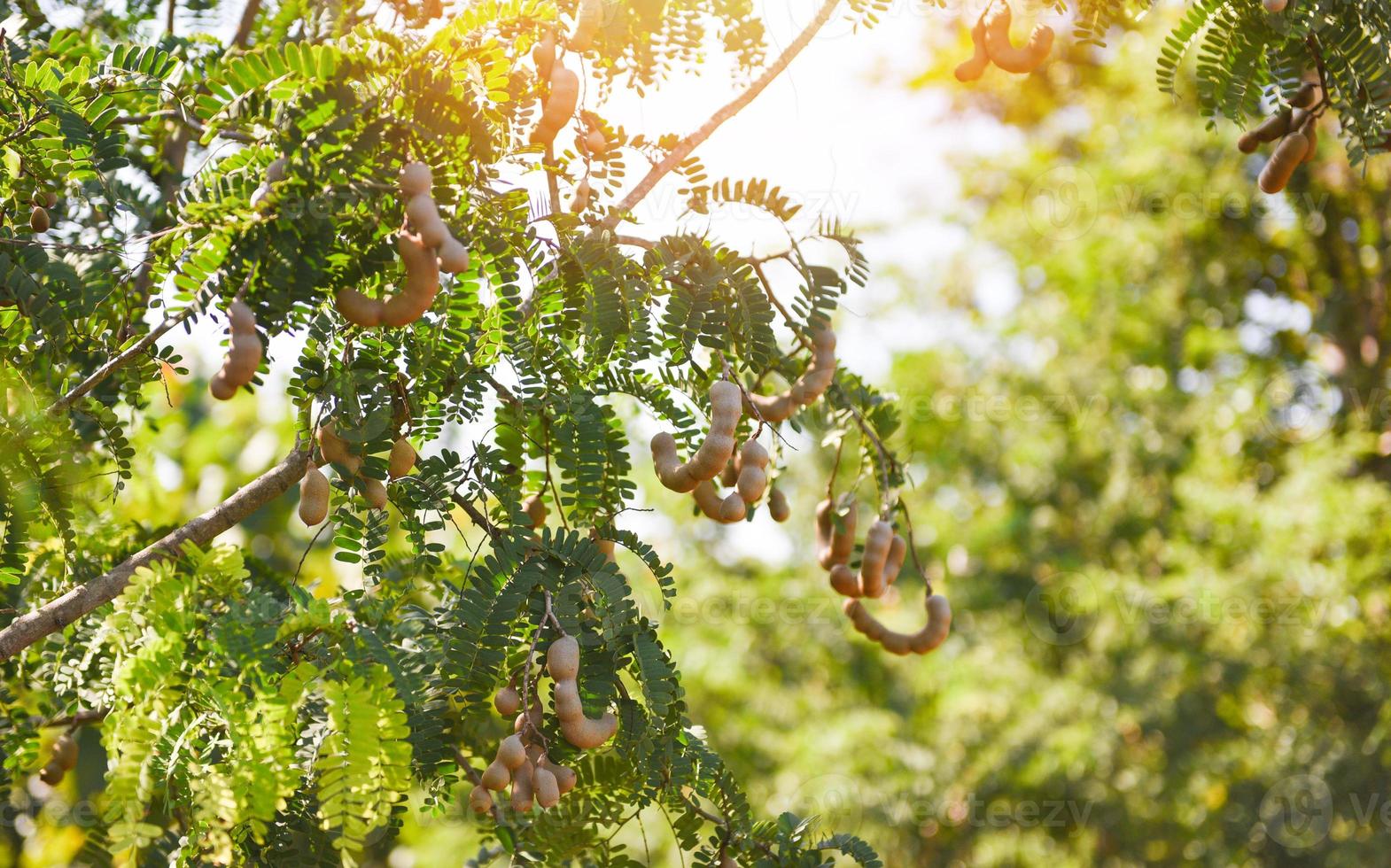
The journey begins with the Tamarindus indica tree. These magnificent trees are incredibly resilient, drought-resistant, and can live for hundreds of years. However, they demand patience; a tamarind tree grown from seed may take up to 10 to 12 years to produce its first significant harvest.
The trees bloom with delicate, red-and-yellow orchid-like flowers, which eventually develop into the characteristic brown, pod-like fruits.
The Harvest
Tamarind harvesting typically occurs once a year during the dry season. The timing is crucial—the pods must be allowed to ripen fully on the tree to ensure the maximum development of natural sugars and that distinct tartaric acid profile.
Traditional Harvesting Methods
Harvesting is still largely a manual process. Skilled harvesters either climb the massive trees to hand-pick the mature pods or gently shake the branches, allowing the ripe pods to fall onto large nets spread beneath the tree. This careful approach prevents damage to both the tree and the delicate pods.
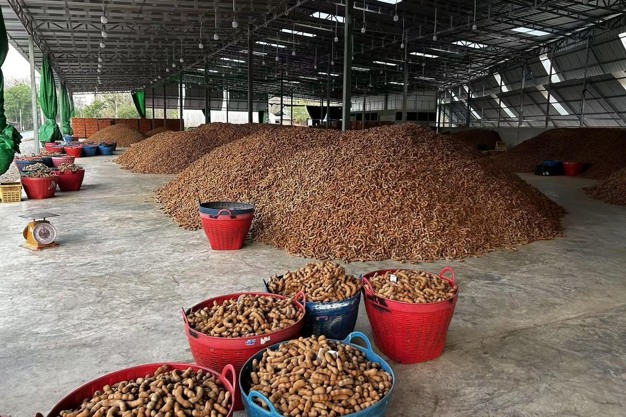
Once collected, the pods are sorted. Only the fully ripe, undamaged pods—characterized by a brittle brown shell and dense, sticky pulp—are selected for processing.
Initial Processing: Shelling and De-seeding
The next stage requires significant labor. The brittle outer shell of the pod must be cracked and removed. Inside, the sticky pulp is bound by a network of coarse, fibrous veins and encloses several hard, glossy black seeds.
Workers meticulously separate the pulp from the fibers and seeds. This is often done by hand to ensure the highest yield and purity of the pulp, although modern facilities utilize specialized machinery to assist in separating the pulp from the larger seeds and fibers. The resulting product is raw, compressed tamarind pulp.
Creating the Concentrate: The Esskay Method
While raw tamarind blocks are common in markets, creating a smooth, consistent, and easy-to-use concentrate requires further refinement. This is where Esskay's commitment to quality shines.
1. Hydration and Extraction
The raw pulp is mixed with purified water and allowed to soak. This softens the pulp and begins the extraction process, drawing out the intense flavors, natural sugars, and acids.
2. Gentle Heating
The mixture is subjected to gentle, controlled heating. This step is critical; it helps to fully dissolve the pulp and natural sugars while neutralizing any potential pathogens. However, the heat must be carefully monitored—too hot, and the delicate caramel notes of the tamarind will burn; too cool, and the extraction is incomplete.
3. Fine Filtration
To achieve the silky-smooth texture of Esskay's concentrate, the heated mixture is passed through a series of increasingly fine filters. This removes any remaining microscopic fibers, seed fragments, or impurities, resulting in a pure, unadulterated tamarind liquid.
4. Reduction
The pure liquid is then slowly reduced under a vacuum. This concentrates the flavor and natural preservatives (like tartaric acid) while evaporating excess water, resulting in the thick, robust paste you find in the jar.
Quality Control
Throughout the entire process, from the orchard to the final packaging, rigorous quality control measures are in place. Samples are tested for acidity levels, sweetness, consistency, and purity to ensure that every jar of Esskay Tamarind Concentrate meets our exacting standards.
Conclusion
The creation of tamarind concentrate is a beautiful synergy of nature's patience and careful human craftsmanship. The next time you add a spoonful of Esskay Tamarind Concentrate to your recipe, you can appreciate the long, carefully managed journey it took to bring that incredible burst of flavor to your kitchen.
About the Author

Esskay Production Team
Food Industry Expert
With over 15 years of experience in the food industry, our expert brings valuable insights into natural ingredients and their applications in commercial food production.