
A Culinary Journey: Tamarind in Global Cuisines

A Culinary Journey: Tamarind in Global Cuisines
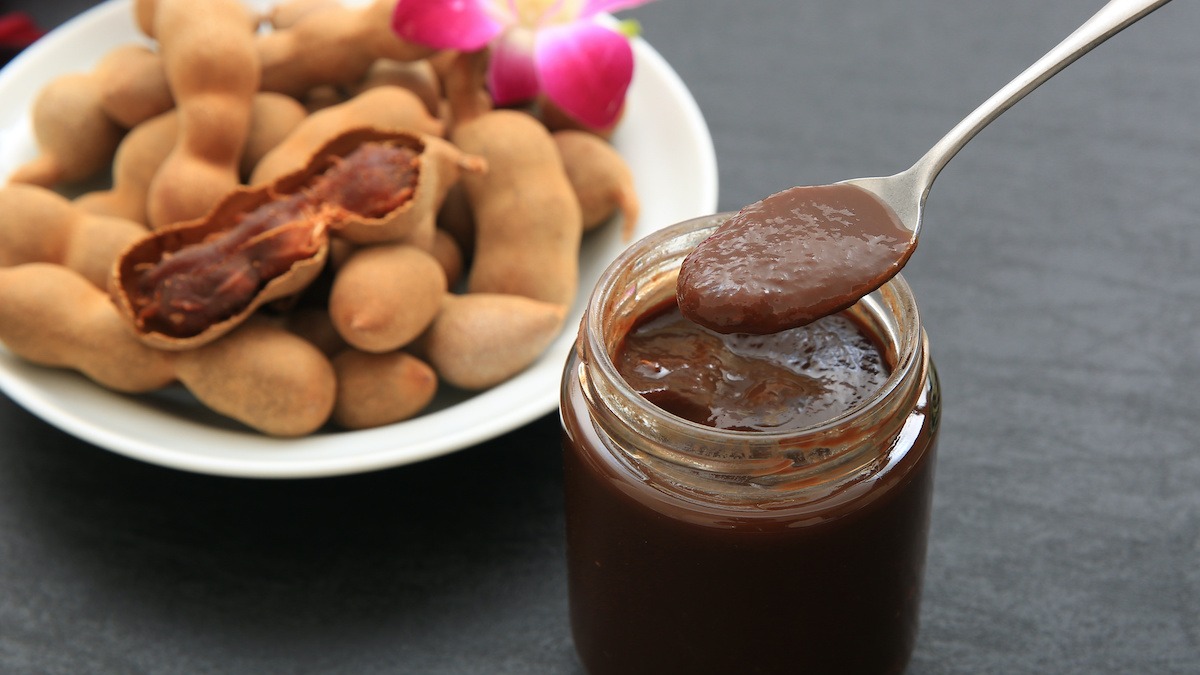
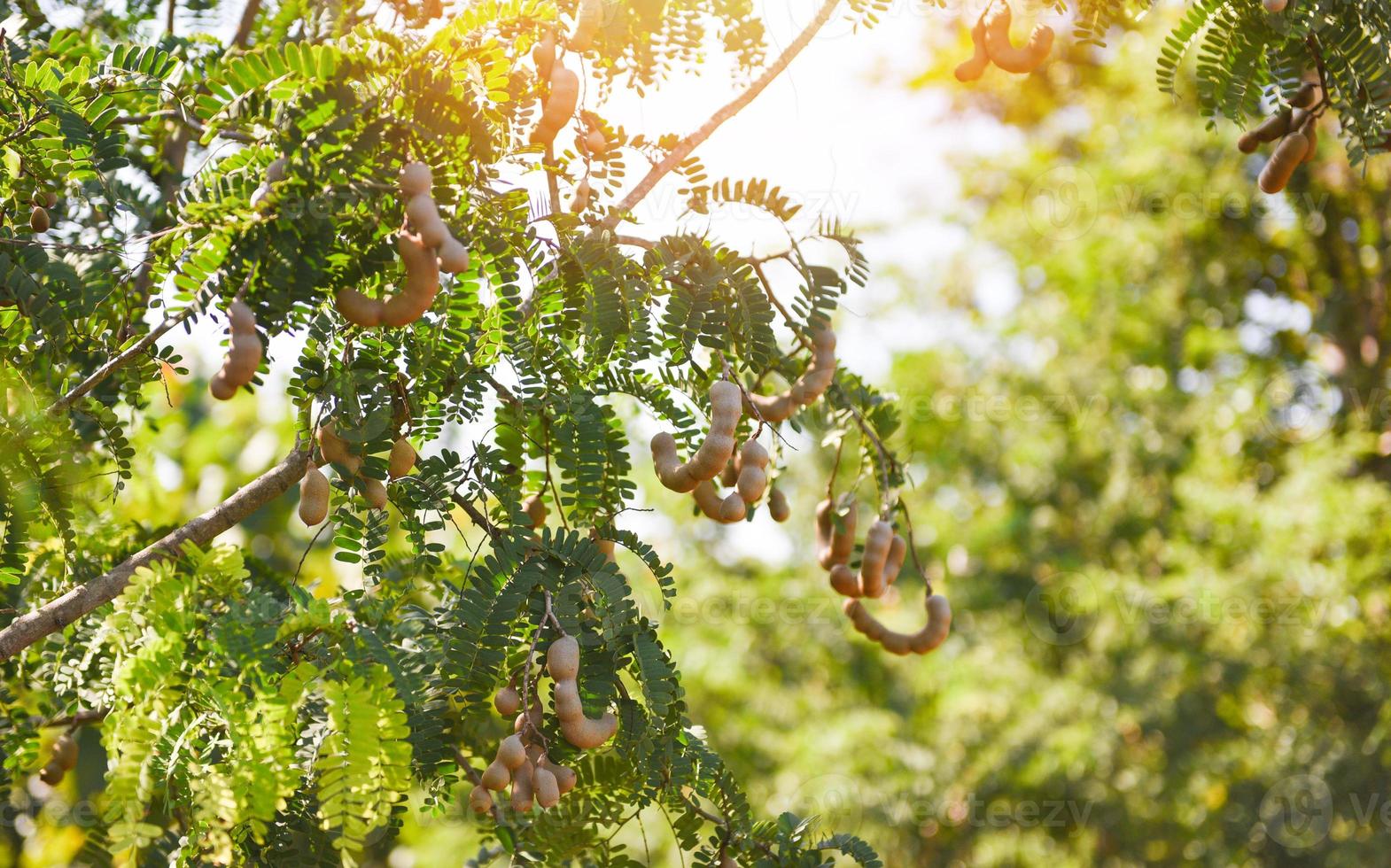
Tamarind is a truly global ingredient. Though indigenous to tropical Africa, it has traveled across oceans and centuries to become a foundational flavor in kitchens spanning from the bustling street food stalls of Bangkok to the family tables of Mexico City. This past month, we took a deep dive into how different cultures utilize this incredible sweet-and-sour pod.
Let’s embark on a culinary journey to explore tamarind's global footprint.
Asia: The Heart of Sweet and Sour
In South and Southeast Asia, tamarind is arguably the most important souring agent, prized for its ability to cut through richness and balance fiery spices.
- India: Tamarind is the soul of South Indian cooking. It forms the base of the deeply comforting Sambar (a lentil and vegetable stew) and the sharp, spicy Rasam. It’s also the star of the ubiquitous sweet tamarind chutney, poured generously over chaat (street snacks) to provide that essential tangy kick.
- Thailand: What is Pad Thai without tamarind? The iconic stir-fried noodle dish relies heavily on tamarind paste to provide its signature tangy undertone, balancing the salty fish sauce and sweet palm sugar. It's also a key ingredient in many traditional Thai curries and dipping sauces.
- Philippines: In the beloved Filipino comfort food, Sinigang, tamarind is traditionally used to create the distinctively sour and savory broth that perfectly complements pork, seafood, and an array of vegetables.
Latin America: A Sweet and Tangy Love Affair
Tamarind arrived in the Americas in the 16th century, and it was quickly adopted and integrated into local food cultures, particularly in Mexico.
- Mexico: Here, tamarind is celebrated not just in savory dishes, but prominently in sweets and beverages. Agua de Tamarindo is a daily staple, a refreshing cooler found everywhere from home kitchens to local taquerias. Furthermore, tamarind is the primary flavor profile for a vast array of popular Mexican candies—often coated in chili powder for a sweet, sour, and spicy explosion.
- The Caribbean: In the Caribbean islands, tamarind is frequently used to make rich, syrupy balls rolled in sugar, a nostalgic treat for many. It is also utilized in savory marinades for jerk chicken and fish, adding a complex fruity acidity that vinegar simply cannot replicate.
The Middle East: Ancient Roots
In Middle Eastern cuisine, tamarind is often used to add a subtle tartness to slow-cooked dishes.
- Levantine and Persian Cuisine: Tamarind paste is sometimes used in dishes like Fesenjan (a walnut and pomegranate stew, though tamarind is used as a variation or addition) or in stuffed grape leaves to provide a deep, complex sourness that complements the rich meats and nuts.
Bringing the World to Your Kitchen
The beauty of tamarind lies in its versatility. It is a bridge between sweet and savory, hot and cold, tradition and innovation.
Whether you are trying your hand at a traditional Pad Thai, mixing up a refreshing summer drink, or experimenting with a new marinade for your weekend barbecue, Esskay's premium Tamarind Concentrate makes it easier than ever to bring these global flavors directly into your home. Its consistent flavor and ready-to-use format mean you can skip the tedious prep work and jump straight to the joy of cooking.
About the Author

Esskay Culinary Team
Food Industry Expert
With over 15 years of experience in the food industry, our expert brings valuable insights into natural ingredients and their applications in commercial food production.