
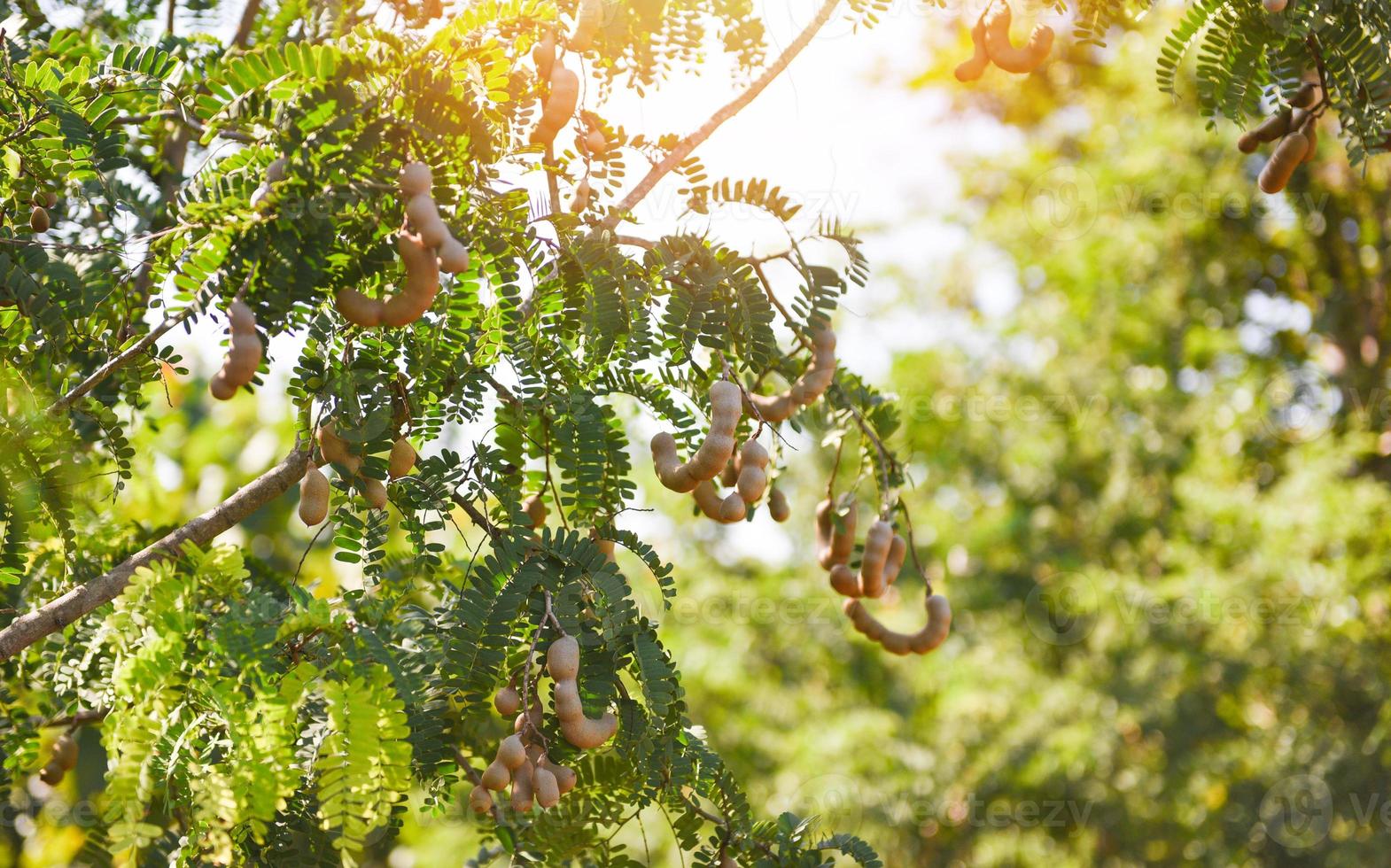

Tamarind in Modern Gastronomy
For centuries, tamarind has been a cornerstone ingredient in traditional cuisines across Asia, Africa, and Latin America. However, in recent years, this humble fruit has experienced a renaissance, finding its way into the kitchens of some of the world's most innovative restaurants. Modern gastronomy has embraced tamarind for its unique sweet-sour profile, complex umami undertones, and remarkable versatility.
The Appeal of Tamarind to Modern Chefs
In the competitive world of fine dining, chefs are constantly seeking ingredients that provide depth, balance, and unexpected flavor notes. Tamarind checks all these boxes:
Complexity in Flavor
Unlike citrus fruits, which provide a sharp, clean acidity, tamarind offers a more rounded, earthy tartness accompanied by natural sweetness and subtle caramel notes. This complexity allows chefs to build layers of flavor without relying on artificial additives or excessive sugar.
Versatility Across Courses
Tamarind's unique profile means it is not limited to savory applications. It seamlessly transitions from appetizers to main courses, and even into desserts and mixology.
Innovative Savory Applications
Avant-Garde Marinades and Glazes
Top chefs are utilizing tamarind concentrate as a base for sophisticated glazes for meats and seafood. A tamarind and black garlic glaze on slow-roasted pork belly, for instance, cuts through the richness of the meat while adding a beautiful, lacquered finish.
Redefining Classic Sauces
Traditional French mother sauces are being reimagined with a tamarind twist. A tamarind-infused beurre blanc served alongside seared scallops introduces an unexpected, tangy brightness that elevates the classic pairing.
Sweet Innovations: Tamarind in Pastry
Pastry chefs are perhaps the most excited adopters of the tamarind trend. By balancing the fruit's acidity with high-quality chocolate or sweet tropical fruits, they are creating desserts that challenge and delight the palate.
- Tamarind Chocolate Ganache: The acidity of tamarind perfectly complements the bitter notes of dark chocolate, creating a ganache with incredible depth.
- Tamarind Sorbet: Often paired with a touch of chili or ginger, tamarind sorbet serves as a sophisticated palate cleanser.
The Mixology Movement
The craft cocktail revolution has also embraced tamarind. Mixologists appreciate how tamarind syrup or concentrate can balance strong spirits, particularly tequila, mezcal, and rum.
- The Tamarind Margarita: A modern classic that uses tamarind to add an earthy depth to the traditional lime and tequila mix.
- Tamarind Whiskey Sour: Replacing lemon juice with tamarind creates a richer, more complex version of this beloved cocktail.
Sourcing for the Modern Kitchen
For chefs and home cooks alike, consistency is key when experimenting with bold flavors. Products like Esskay's Tamarind Concentrate provide a reliable, high-quality ingredient that ensures perfect results every time, whether you're crafting a complex Michelin-starred dish or experimenting with modern techniques at home.
Conclusion
Tamarind's journey from traditional staple to modern culinary darling is a testament to its extraordinary flavor profile. As gastronomy continues to evolve, pushing the boundaries of taste and technique, tamarind is poised to remain a vital tool in the modern chef's arsenal. Embrace this trend and discover how a touch of tamarind can transform your contemporary cooking.
About the Author

Esskay Culinary Team
Food Industry Expert
With over 15 years of experience in the food industry, our expert brings valuable insights into natural ingredients and their applications in commercial food production.