
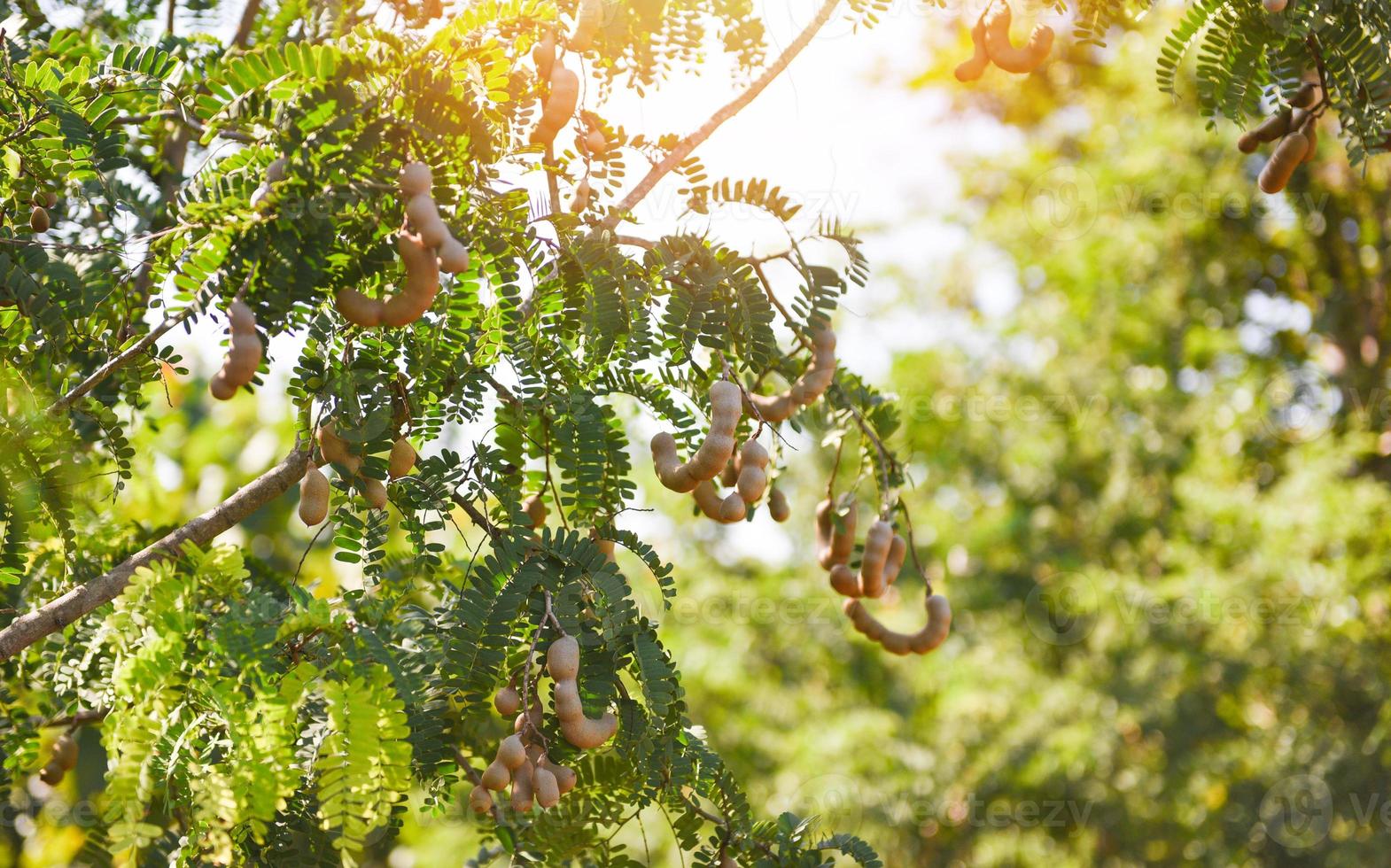

The History and Origin of Tamarind

Today, tamarind is a ubiquitous ingredient, essential to the flavor profiles of Indian curries, Thai noodles, Mexican candies, and even Worcestershire sauce. But how did a single fruit become a cornerstone in such wildly diverse culinary traditions across the globe? The story of tamarind is a fascinating tale of ancient trade routes, exploration, and cultural exchange.
African Origins
Despite its strong association with Asian cuisines (its botanical name, Tamarindus indica, even hints at India), the tamarind tree is actually indigenous to tropical Africa. Specifically, it originated in regions spanning Sudan, Madagascar, and other parts of eastern and western Africa.
In its native African habitat, the resilient tamarind tree thrived in dry, unforgiving climates where other crops failed. Early African cultures utilized every part of the tree: the fruit for sustenance and flavoring, the leaves and bark for medicinal purposes, and the dense, durable wood for tools and construction.
The Journey to India
Thousands of years ago, human migration and early maritime trade networks introduced tamarind to the Indian subcontinent. The exact timeline is debated, but evidence suggests it was well-established in India long before the common era.
The Indian climate proved perfect for the tamarind tree. It flourished so spectacularly and became so deeply integrated into the local cuisine and Ayurvedic medicine that early Persian and Arab traders who encountered it there mistakenly believed it was native to the region. They named it "Tamar-ul-Hind," which translates to "Date of India." It is from this Arabic phrase that the English word "tamarind" is derived.
Global Expansion via the Spice Trade
As the global spice trade expanded, so did the reach of tamarind.
To the Middle East and Mediterranean
Arab traders brought tamarind back to the Middle East, where it became a crucial ingredient in traditional drinks and savory dishes. From there, it slowly made its way into the Mediterranean and Europe, though it remained a rare and exotic spice used primarily for medicinal purposes during the Middle Ages.
The Spanish Galleons and Latin America
The most dramatic leap in tamarind's global journey occurred during the 16th century. Spanish and Portuguese explorers and colonists encountered tamarind during their voyages to Asia and Africa. Recognizing its value—it was not only delicious but its high acidity made it an excellent preservative and antiscorbutic (scurvy preventative) for long sea voyages—they transported the seeds to the New World.
Tamarind found a welcoming new home in the tropical climates of Mexico, Central America, and the Caribbean. In Mexico, it was enthusiastically adopted, rapidly becoming a defining flavor in the country's cuisine, used extensively in aguas frescas (refreshing beverages), savory sauces, and distinctive sweet-and-spicy candies.
Tamarind Today
Today, India remains the world's largest producer of tamarind, followed closely by Mexico, Thailand, and various African nations. Its journey from the African savannas to the global stage is a testament to its incredible utility and unmatched flavor profile.
As modern chefs and home cooks continue to explore global flavors, products like Esskay's Tamarind Concentrate ensure that the rich, complex taste of this ancient fruit is easily accessible, continuing a culinary legacy that spans thousands of years and crosses oceans.
About the Author

Esskay Research Team
Food Industry Expert
With over 15 years of experience in the food industry, our expert brings valuable insights into natural ingredients and their applications in commercial food production.